Automatic glass sandblasting equipment
Conveyor sandblasting for high-volume flat glass work
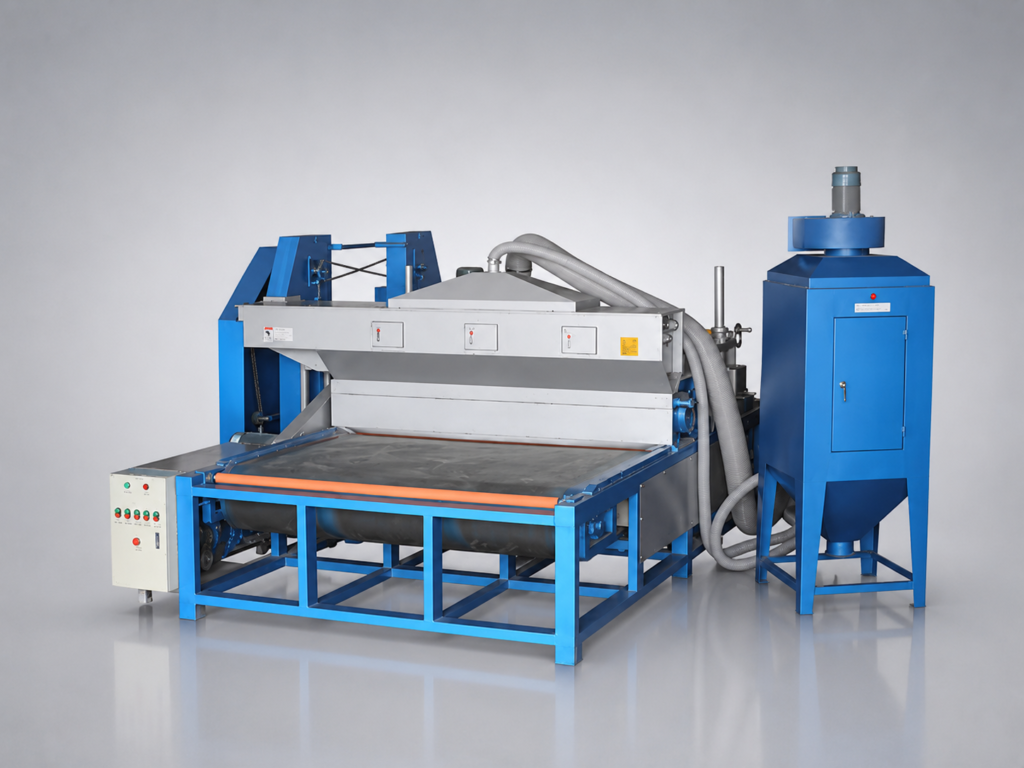
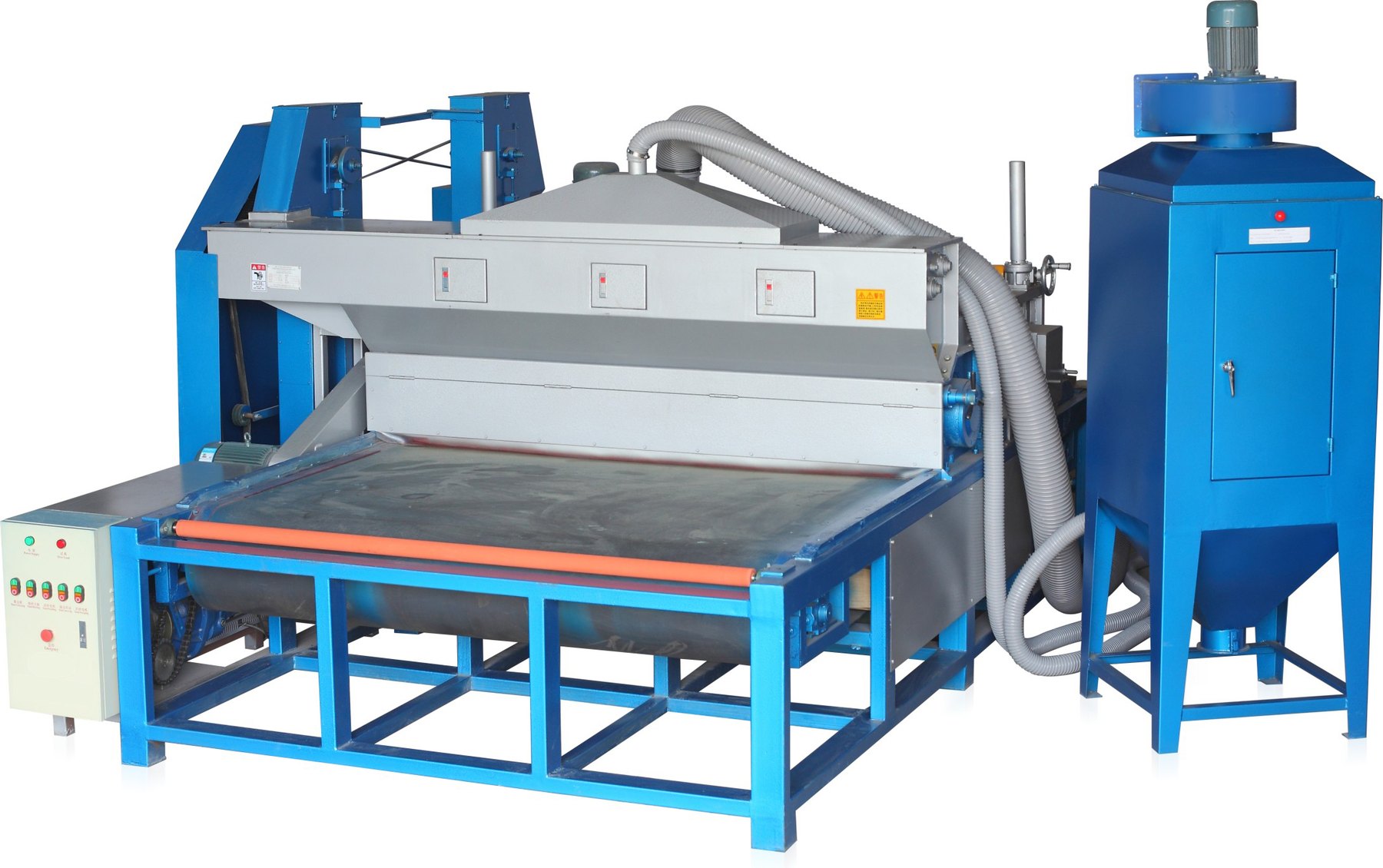
A horizontal automatic sandblasting machine for flat glass frosting and decorative pattern work. It is suitable for shops that prefer horizontal conveyor handling or need stable processing of wider panels.
Is this the right machine for your shop?
A horizontal conveyor machine is built for throughput on flat work. Glass lies flat and travels through the blast chamber on a belt, which makes loading fast, repeatable, and easy to hand off to a less experienced operator.
It is a good fit if you
- Run steady volume of flat glass with a consistent finish requirement
- Process a lot of similar pieces rather than varied one-offs
- Want simple loading — lay the piece down, let the conveyor do the rest
- Handle smaller and mid-size pieces that are awkward to fixture upright
- Need predictable cycle times you can schedule production around
It is probably not the right fit if you
- Mainly handle oversized architectural panels that are difficult to lay flat
- Have very limited floor space — a horizontal line needs more area than an upright machine of similar capacity
- Do mostly small decorative or craft items, where a blast cabinet is the sensible tool
If your work is a mix of both, say so when you request a quote. Some shops end up running a vertical machine for large panels and a horizontal line for repeat production, and it is worth knowing that before you commit to one.
Applications
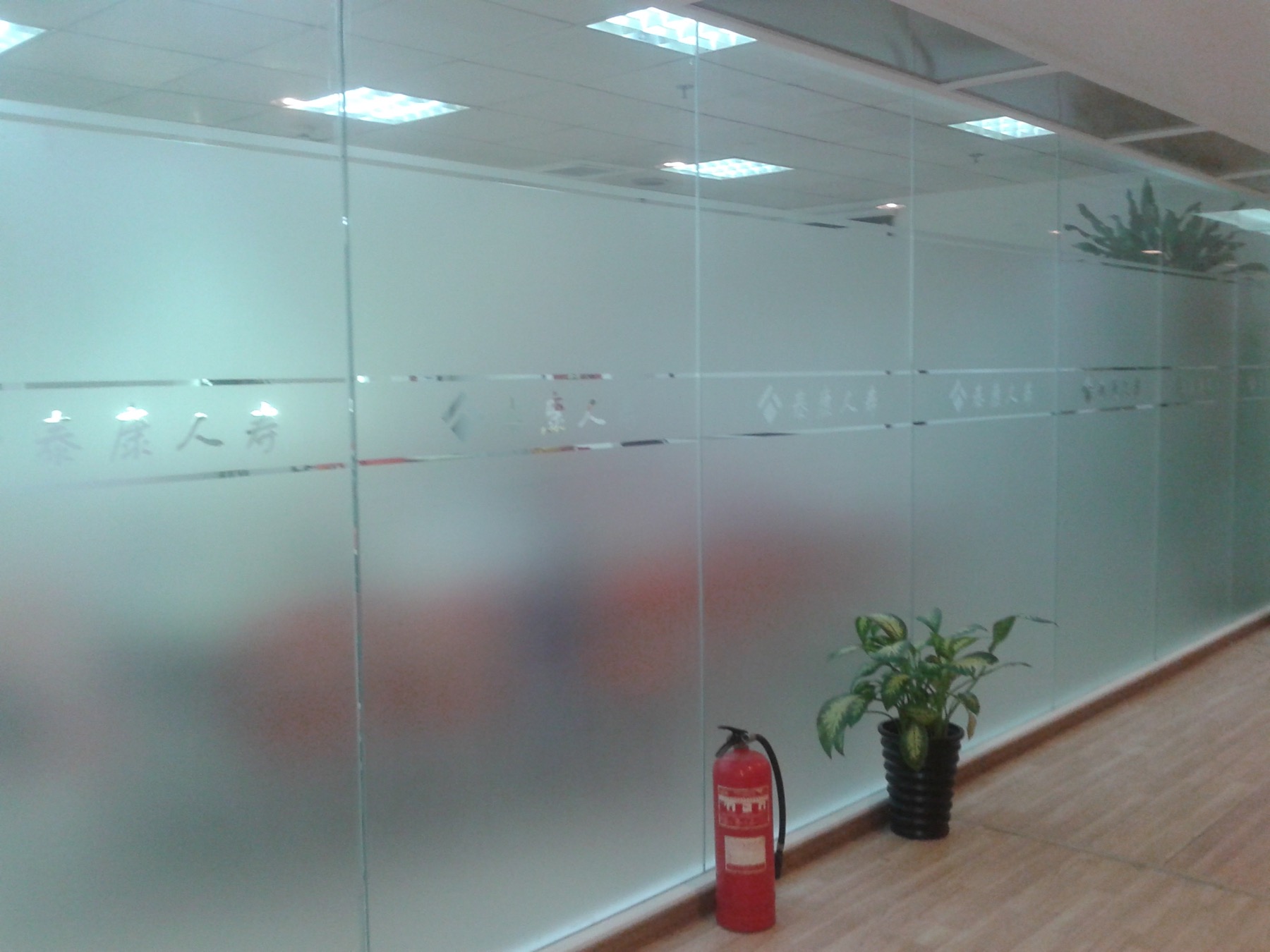
- Frosted glass production
- Rubber template or masking film partial blasting
- Decorative architectural glass
- Mirror and glass border treatment
- Batch production with repeatable conveyor movement
How horizontal conveyor sandblasting works
Glass is placed flat on the conveyor and carried into the blast chamber. Blast guns positioned above the belt sweep across the surface as the panel passes underneath. Because both belt speed and blast pressure are controlled, every panel receives the same treatment — which is exactly what you want when you are producing the same product repeatedly.
The finish is determined by the same three variables as any sandblasting process: abrasive grit size, working pressure, and conveyor speed. Once you dial in a recipe for a given product, you can reproduce it reliably shift after shift.
Abrasive is recovered beneath the belt, separated from dust and fractured media, and cycled back for reuse. Dust is drawn off to the collector. Recycling is what keeps abrasive cost per panel low.
Where the conveyor format earns its keep
The advantage is consistency at volume. An operator does not need to judge distance or dwell time by hand — the machine enforces both. For shops producing frosted panels to a repeatable spec, this removes the main source of variation, which is the human holding the gun.
For masked decorative work, cover the areas that must stay clear with sandblast resist masking film cut on a film cutting plotter, then run the panel through as normal.
Main Features
Horizontal conveyor layout
Flat glass is processed horizontally for stable movement through the blasting chamber.
Automatic production flow
Useful for repeat work where consistency and throughput matter.
Pattern capability
Supports full frosting or partial blasting when used with masking film or rubber templates.
Broad model range
AD series covers multiple widths from smaller shop machines to large industrial formats.
Technical Data
| Model range | AD1200, AD1500, AD1700, AD1800, AD1900, AD2000, AD2500, AD3100 |
|---|---|
| Glass process | Full frosted surface or partial patterned sandblasting |
| Operation reference | Installation, commissioning, maintenance, and troubleshooting support available |
| Recommended abrasive | Brown fused alumina or garnet depending on finish and recycling requirement |
| Typical users | Decorative glass workshops, mirror processors, architectural glass suppliers |
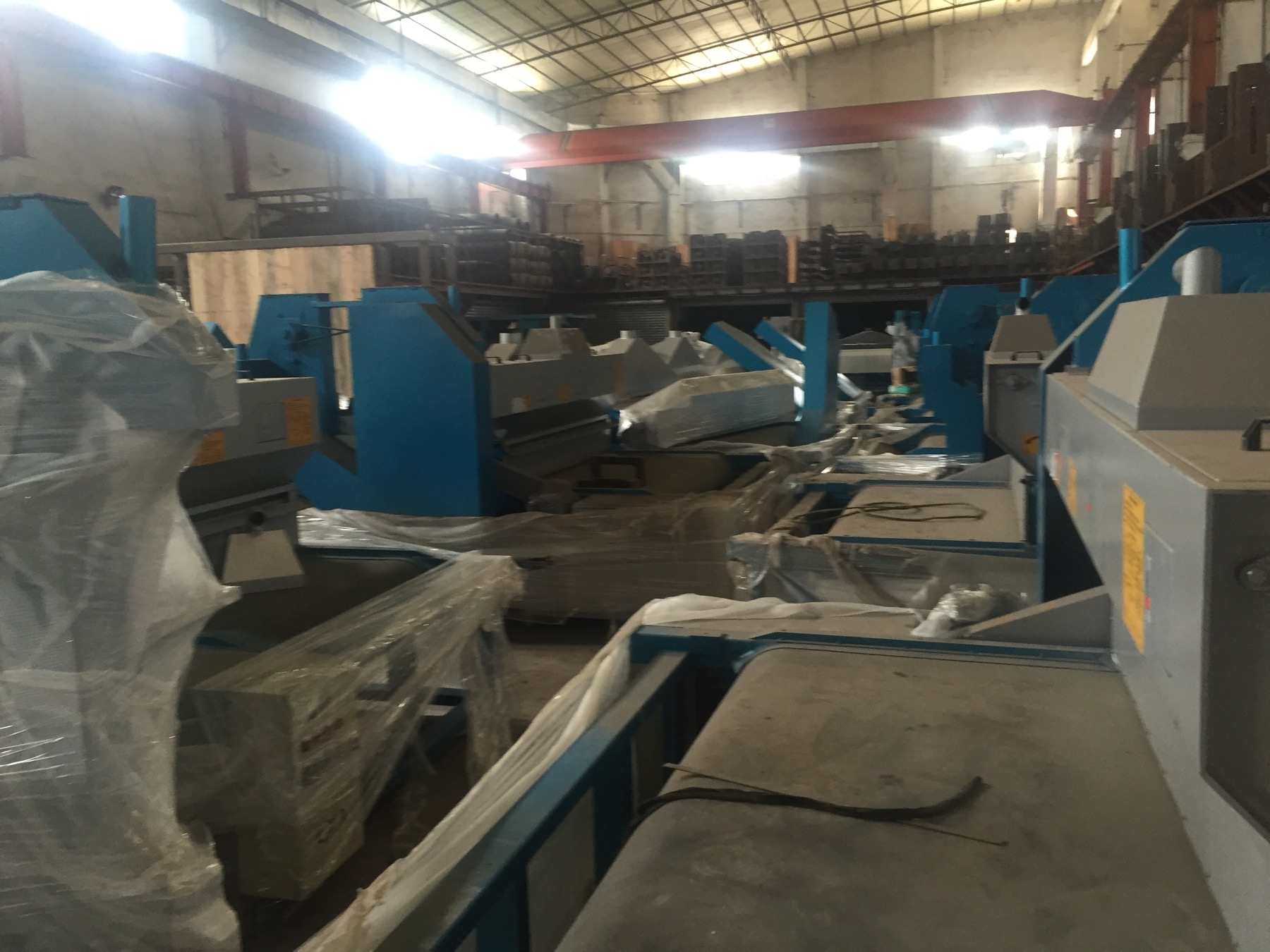
Photos and Working Examples
Consumables and Support
We can supply suitable abrasives, masking film, nozzles, blast hoses, conveyor parts, dust collection parts, and maintenance guidance for the AD series.
What comes with the machine
Wear parts for this machine are made to our own specification and come from the factory rather than a local industrial supplier. They are inexpensive, and they ship by air — typically 3 to 5 days door to door — so a worn part does not mean waiting on ocean freight. Details on Warranty & Support.
Warranty
Electrical components and motors carry a two-year warranty — twice the one-year term that is standard for this class of machine. Wear parts and consumables are not covered, and neither is damage from running the machine outside its stated operating limits.
Lead time and delivery
Built to order: typically 10–30 days production plus 20–30 days ocean transit, depending on destination port. ArtCut handles customs clearance. See Shipping & Lead Times.
Frequently asked questions
Horizontal or vertical — which should I buy?
Choose horizontal for volume, consistency, and easy loading of flat pieces. Choose vertical for large architectural panels and tighter floor space. The deciding question is usually panel size: if most of what you run is big enough to be awkward lying flat, go vertical.
How much floor space does it need?
More than an upright machine of comparable capacity, because the conveyor needs infeed and outfeed room in addition to the blast chamber. Send us your available footprint and we will confirm what fits before you order.
What abrasive does it use?
Typically brown fused alumina, with grit selected for your target finish. Tell us the look you are after and we will suggest a starting point.
Can one operator run it?
Yes. That is much of the appeal — the machine controls pressure and travel speed, so the operator is loading and unloading rather than making judgement calls about technique.
What compressor is required?
Depends on the model and nozzle configuration. Tell us what you already have and we will confirm compatibility before you order rather than after delivery.
Does it work on mirror and coated glass?
It processes flat glass generally, but coatings will be removed wherever the abrasive reaches. If you are working with mirror or low-E, tell us the specific product and intended result so we can confirm the approach.
Ready to discuss your glass processing line?
Send glass size, process type, production volume, and destination country. We will recommend a practical configuration and quotation.
Related guides
- Vertical vs Horizontal Glass Sandblasting — which orientation suits your shop
- How to Choose a Glass Sandblasting Machine — the five questions that decide which model fits
- What Does a Glass Sandblasting Machine Cost? — what drives the price, including freight and duties
- Abrasive Grit Size Chart — 24# to 120#, and the finish each produces
- Air Pressure and Nozzle Settings — pressure, travel speed and why banding happens